
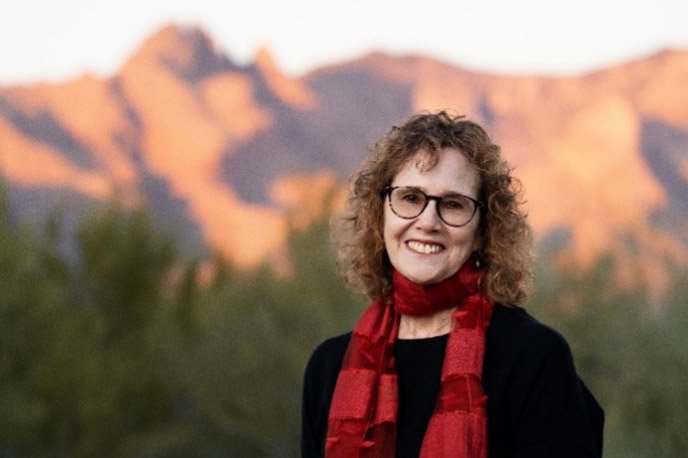
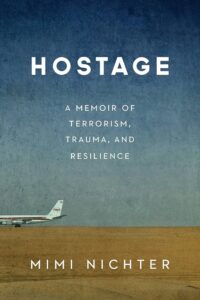
 Anthropologist, author, speaker, and professor emerita of anthropology at the University of Arizona, Mimi Nichter is a force. This international traveler, scholar, researcher, and good human offers a window into societies while opening a door to how we live. In her first memoir, Hostage: A Memoir of Terrorism, Trauma, and Resilience, Mimi recounts how she navigated and survived the hijacking of Trans World Airlines Flight 741. The experience changed her life. Chronicling her journey differs from her previous researched works – here she tells her own story. Mimi’s engaging, genuine personality, talent, and wisdom draws readers in as she shares how this harrowing, formative experience challenged everything she knew. Today you’ll find her enjoying life in Tucson, Arizona healing, flourishing, and planning her next adventures.
As Professor Emerita at the University of Arizona School of Anthropology, cultural and public anthropologist, and author/co-author of four diverse books, how would you describe your writing journey over the years? Until I wrote this memoir, my publications which included books and numerous journal articles, were based on extensive ethnographic research. As a cultural anthropologist, I had spent long periods of time living in different cultures (India, Sri Lanka, Indonesia) where I had observed people’s everyday lives and what they said and actually did in a variety of contexts. I have also conducted considerable research in the US with college students, which were largely interview based. Only after transcribing and analyzing the data, then applying various theoretical lenses, could I begin the writing process. For my academic publications, my audience wanted to know what my research added to existing knowledge.
How was writing your first memoir different from the way you prepared for or wrote your other books? The first decision I made about the memoir was that I would not interview anyone else for my writing. I wanted to explore my own memory and give a voice to my unconscious, to be in dialogue with my inner self, not others. My story of being held hostage was something I had rarely spoken about for most of my life, except to my closest friends. Even then, I would recount a shortened version, merely sharing that when I was twenty years old, I had been on a hijacked plane and held hostage. I left out the scary parts and how close I had come to death. Even in therapy, I never mentioned it. So, when I began to write the memoir, I literally had to pry open this box of memories that I had locked away inside long ago. It was frightening to revisit and relive each of the days I was held. I cried a lot—a very different experience than writing my other books!!
In writing the memoir, I used journals and notes I had written shortly after I returned home from my hostage experience. I supplemented my own memories by reading newspaper and magazine accounts written by journalists at that time. I also used photographs of the hijacking to trigger my memory. Day by day, word by word, I inched forward, unpacking the frightening story, reliving the painful memories by finally giving voice to them.
I was surprised by how much I needed to learn about craft to write this memoir. As an academic, I knew how to write about other people’s experiences, not my own. So, when I began writing the memoir I had the skills to write a book, but not how to write from my own voice with feeling. Through writing, I began to process the experience and access my feelings. It took a long time. I had to get out of my head and into my senses so the reader could feel like they were with me on the plane. I wanted them to be able to smell the fear and sweat of being in the desert trapped in an airplane. Through multiple layers of revision and many workshops I attended, I learned how to go deeper.
This book takes a close look at a powerful point in our history and delves deeply into trauma and healing – why did you choose to share your story at this present moment in time? When I was growing up in the 1950s and 60s, I was socialized not to talk about personal trauma. PTSD did not exist as a diagnostic category until 1980—even soldiers returning from war were advised to “just get on with their lives.” We had little understanding of the long-term consequences of trauma. Fast forward to today, more than a half century later, and trauma plays a prominent role in our cultural discourse. It seemed to me that my story needed to be told, not only as a history of an event which is not well known, but also as an exploration of how buried trauma can resurface across one’s life if not addressed.
What three pieces of advice would you offer to aspiring or novice memoir writers? When I was writing my book, I was driven to get it done, find an agent, and have it published. Looking back, I realize that if you try to bring your book into the world too early, you probably won’t have much success. I didn’t. My advice is don’t be in a rush to finish. Try to experience each stage fully—the remembering, the writing, the endless revisions, the challenges of how to stitch it together into a cohesive narrative. The process takes time. Let it marinate. Finally, believe in your ability to finish and see the project to the end. Keep going! We need to hear your story!
As an avid traveler and researcher, what books call to you or are in your nightly reading queues? I’m currently reading House Rules by Jodi Picoult. Another novel I just finished was The Amalfi Curse by Sarah Penner. I picked it up at an airport bookshop because I was curious about what makes a book a best seller. It was a quick read and well written. And because I’m always drawn to memoir, I’m currently reading Strangers: A Memoir of Marriage by Belle Burden. I’m always interested in books about India particularly by writers Abraham Verghese, Thrity Umrigar, and Alka Joshi.
Is there anything else you’d like to share regarding your work, life, or goals you’re focusing on now? Now that my book is out in the world, I’m thinking about what comes next—perhaps a memoir about my years in India or a new research project on women, the body, and aging?? Not sure, and for now I’m just taking some deep breaths, long walks, and making plans for travel to remote islands in Indonesia.
Where can readers find you (socials)/your work?
My website: https://www.miminichter.com
Facebook: https://facebook.com/mimi.
Instagram: @miminichter
About the Author
Mimi Nichter is an award-winning cultural anthropologist, public speaker, and a professor emerita of anthropology at the University of Arizona. She is the author/coauthor of four anthropology books focused on key cultural issues in the U.S. and South Asia. Her latest book, Hostage: A Memoir of Terrorism, Trauma, and Resilience, was a winner of the 2026 Next Generation Indie Award for Memoir/Overcoming Adversity and a finalist for the Literary Award in Non-Fiction at the 2026 Tucson Festival of Books. Her essays have appeared in Newsweek, HuffPost Personal, and Brevity.
Written by: Stacey Ebert